
Channels and experience
Where work happensWeb · mobile · messaging · back office · voice
An architecture can support a website, an operating system, an automation, or an AI solution. We review its data, rules, integrations, controls, and final evidence without assuming everything needs agents.
This isn’t a list of brands. It’s a way to know which part receives the request, which searches for information, which decides, and which records what happened.
Web · mobile · messaging · back office · voice
Flows · validations · states · approvals
Rules · tasks · agents · tools · queues
LLM · vision · audio · prediction · routing
Embeddings · search · RAG · permissions
APIs · events · ETL · bases · documents
Data · accountable · accesses · assessments · logs · audit
Computing, sensors, optics, and mechanisms underpin every result.
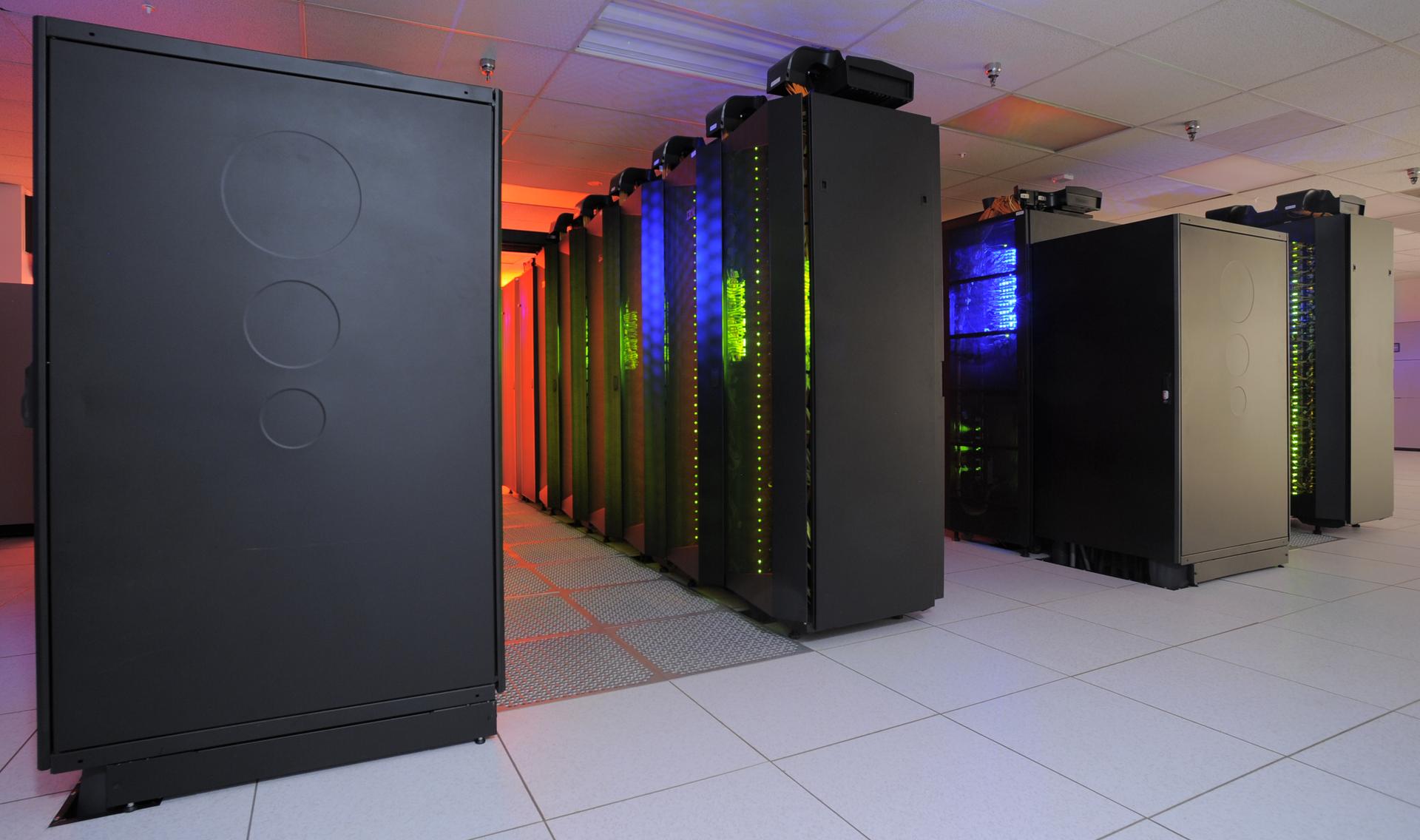


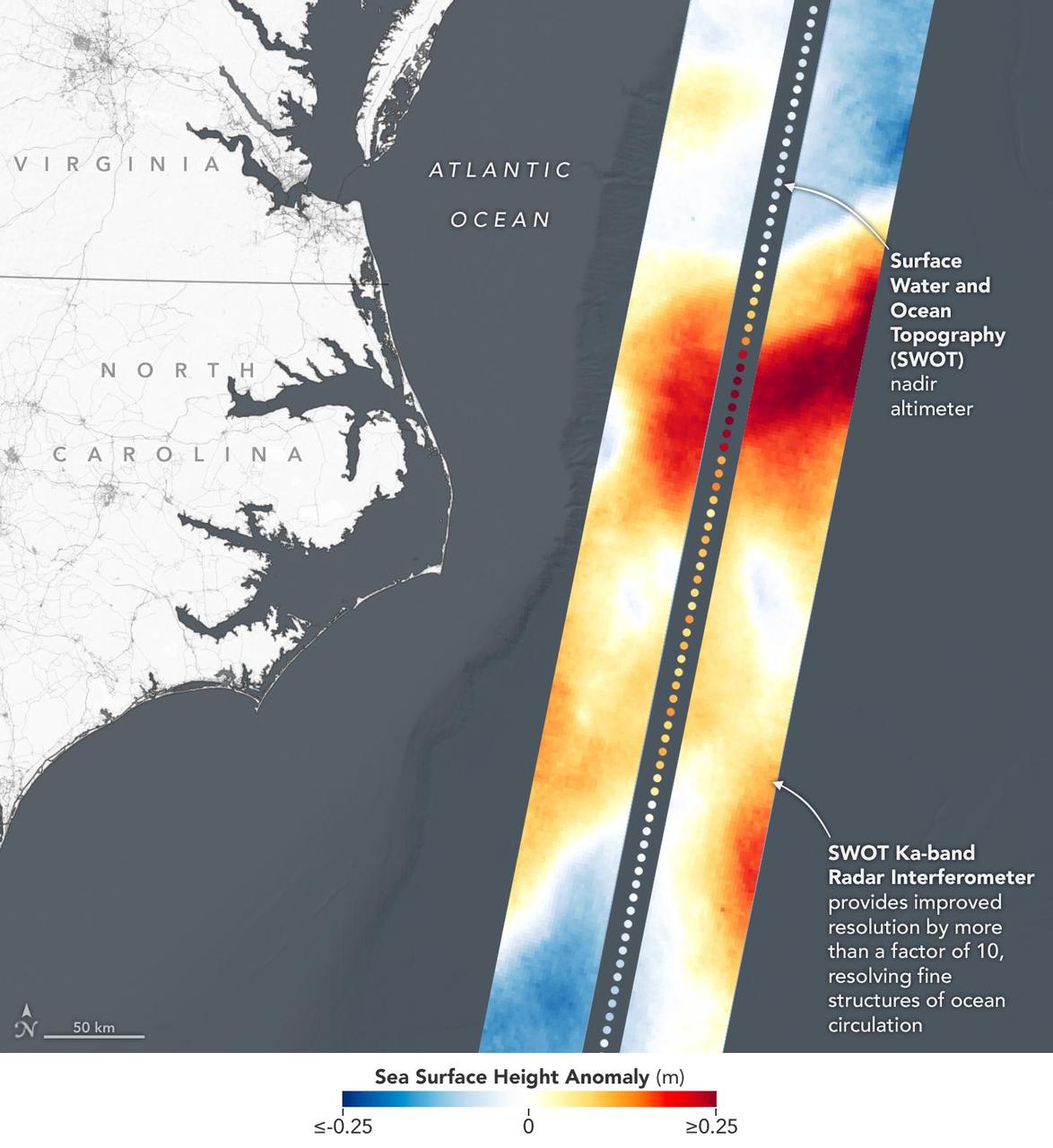
To govern data is to agree on ownership, quality, lineage, access, retention, and permitted use. That foundation supports reports, software, automations, and also RAG: opening the right file cabinet isn’t enough if the contents are outdated or no one can explain their origin.
The operational system remains authoritative; a copy or a model does not invent states.
Each data domain has owners and rules that are enforced across all channels.
A relevant output must show which sources, transformations, and versions it used.
An agent needs its own identity, a human responsible, bounded tools, and an escalation policy. Autonomy is granted by degrees, and every sensitive action must be observable, reviewable, and, when possible, reversible.
No access to external systems.
Reads governed data with defined permissions.
Prepare actions for human review.
Act within limits and log evidence.
Manages long flows with pauses, budget, and escalation.
Minimization, encryption, retention, and residency by context.
Untrusted content must not become privileged instructions.
Each tool operates with the minimum required identity and scope.
Evaluation, thresholds, abstention, and review in sensitive decisions.
Explicit confirmation, idempotency, and compensation mechanisms.
Technical and business logs that allow reconstructing what happened.
Real cases, expected answers, and known risks.
Latency, cost, errors, decisions, and tool usage.
Model changes, drift, incidents, and human learning.
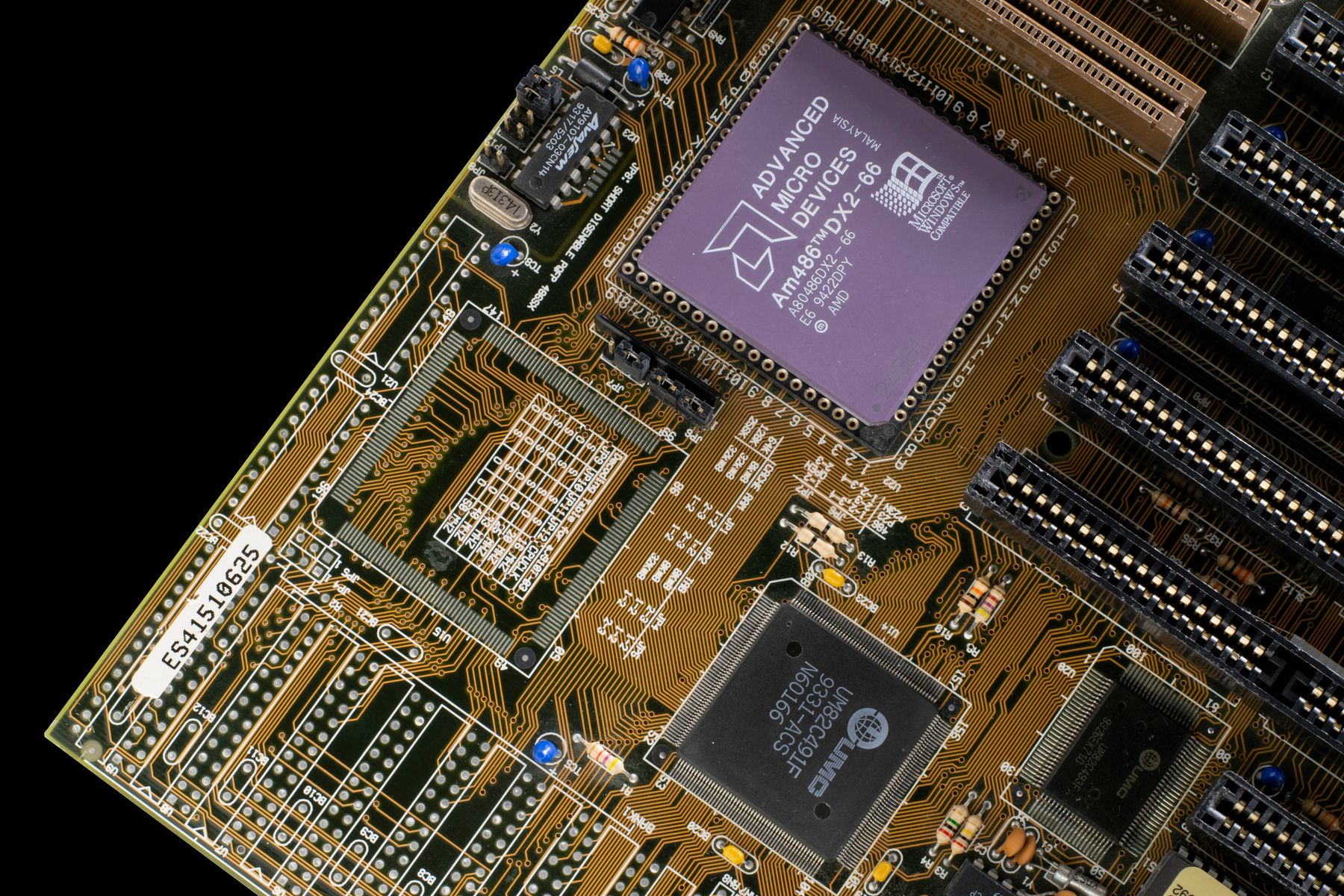
To govern means defining owners, boundaries, and evidence before relying on a system.
We agree on which information is reliable, who can access it, how long it’s kept, and how it’s corrected.
We define what an automation or agent can do, when it requires approval, and how its actions are reviewed.