Let’s get to know the models, without making it a race.
We’ve covered the capabilities. Now we can go through the US, Europe, and China families, knowing each serves different purposes.
LAST REVIEW11 · 08 · 2026
01
/ COMPARE WELL
Before looking at names, let’s get the magnifying glass ready.
Public tables help with orientation, but they don’t tell the whole story. A useful comparison tests real work and adds governance: what data each model receives, where it’s processed, who approves its use, and how a version change is controlled.
Quality
Accuracy and consistency in your tasks.
Latency
Time to a usable answer.
Cost
Inference, infrastructure, and operations.
Context
How much information it effectively processes.
Data governance
Privacy, residency, lineage, and retention.
Agent governance
What it can view, run, approve, and verify.
/ VISUAL ARCHIVE · OPEN SCIENCE
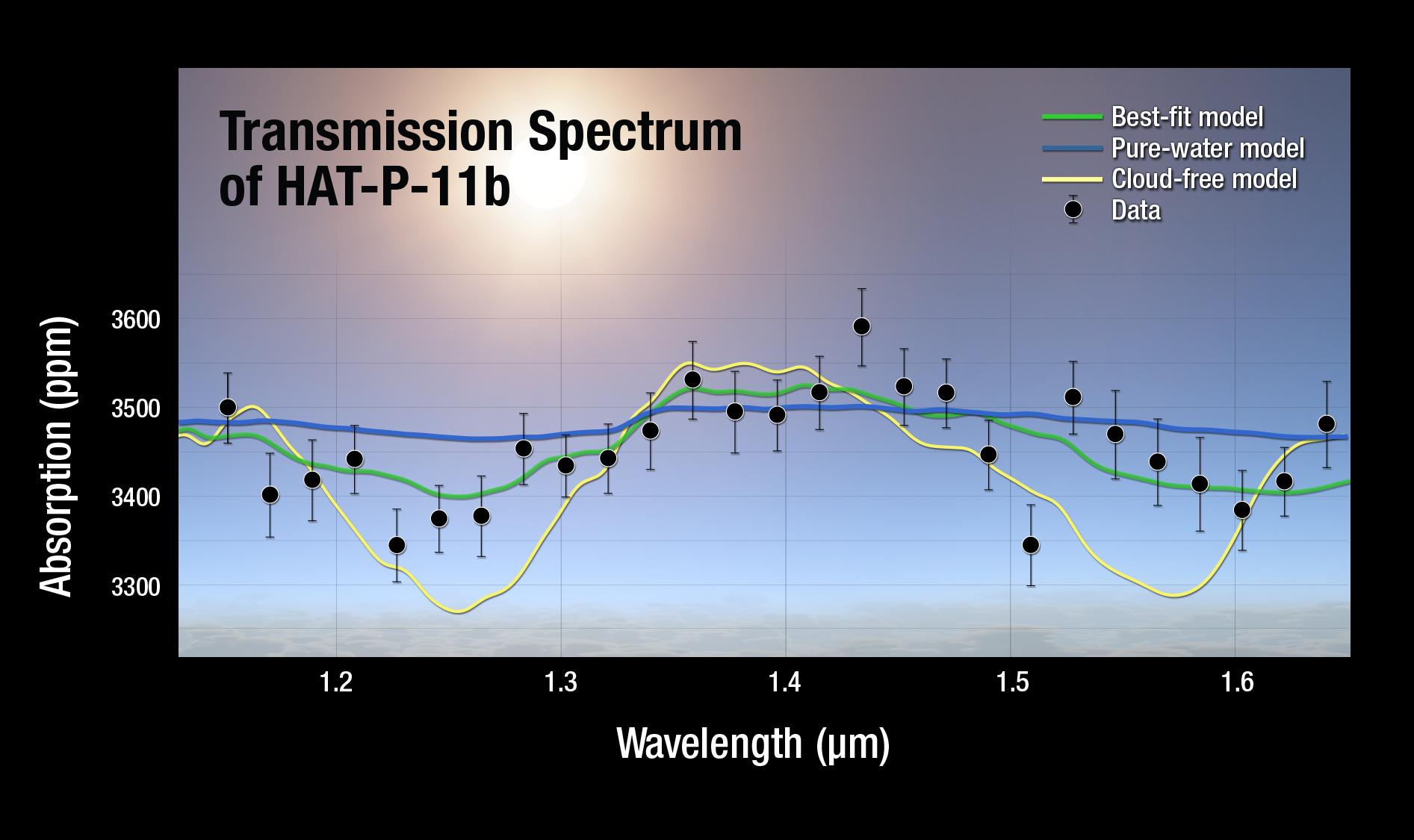
A model is a way of looking.
Different representations reveal different structures.
Each lab makes different choices about speed, reasoning, openness, and price. Also, a family changes over time: the exact version under test always matters.
OPENAI
GPT-5.6
APIs and products
Multimodal family for analysis, code, and tool-using systems. Its catalog separates variants by capability, speed, and cost.
ANTHROPIC
Claude Sonnet 5
APIs and products
Anthropic guides you on programming, tool use, and extended knowledge tasks.
GOOGLE
Gemini 3.6 / 3.5
APIs and products
The Gemini family combines text, images, audio, video, reasoning, and tools within Google’s ecosystem.
MISTRAL AI
Medium 3.5 / Small 4
API and deployable options
Relevant European families when efficiency, enterprise integration, and deployment alternatives matter.
03
/ MODELS DEVELOPED IN CHINA
Second leg: the Chinese ecosystem.
This isn’t a footnote. China brings together labs with language, vision, audio, and agent models, plus its own industrial chain. Some families publish weights and components; others are offered via API.
ALIBABA · QWEN
Qwen 3.6
Available weights · multimodal
Qwen covers language, vision, audio, code, and tool integration. The official repository lets you directly review architecture, weights, and license.
DEEPSEEK
DeepSeek V4
Open API and components
DeepSeek presented V4 Preview with context of up to one million tokens. Always distinguish the version offered via API from the published components.
MOONSHOT AI
Kimi K3
Open model · agentive work
Moonshot presents Kimi K3 for knowledge work, programming, and task execution with agents.
Z.AI
GLM-5
Open model · agentive engineering
GLM-5 is oriented to reasoning, code, and tool-using systems. Its repository documents the open version.
MINIMAX
MiniMax M3
Text, voice, music, and video
MiniMax maintains specialized families for generative language and media. Its catalog is broader than a single LLM.
Before using
Check available region, commercial license, data residency, support language, inference price, and the real possibility of running the model on your own infrastructure.
They extract text, tables, and spatial relationships.
GENERATION
Diffusion and multimodal models
They create or edit images and video under instructions.
05
/ OPEN AND LOCAL
API or in-house model? Depends on the baggage.
Models with available weights can run on your own infrastructure. That gives more control over data and versions, but it also leaves the company in charge of security, capacity, updates, and monitoring.
Managed API
Quick access to recent models
Less infrastructure operations
Vendor lock-in and policies
Self-hosted deployment
Greater control over data and version
Deeper personalization
Full operational responsibility
Hybrid architecture
Route by sensitivity and task
Combine cost, quality, and control
Needs common governance
06
/ EDITORIAL POLICY
Before we wrap up, we’ll put the sources on the table.
We start with primary documentation. An announcement states what its author declares; that’s why we date it, link it, and don’t confuse it with independent evidence.